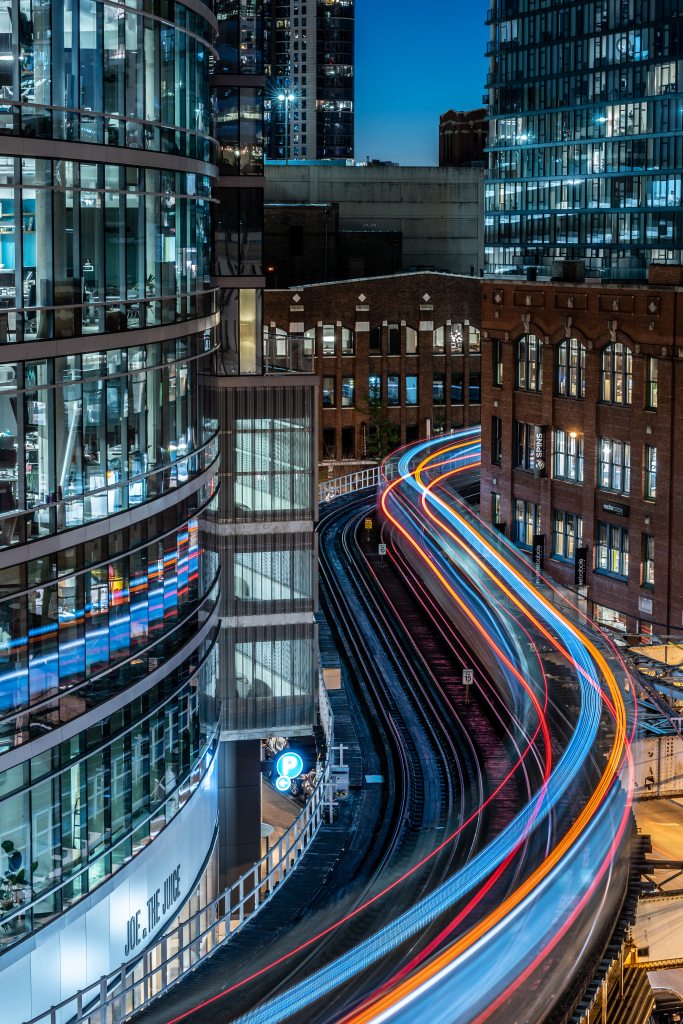
- The Location
Most of the time long exposures outdoors are affected by factors such as the time of day and the weather at the location, if you want to pre-plan a shot make sure the conditions of the location are going to be suitable for what you’re going for.
2. The Framing
Some people might show up to the location and immediately plop down a tripod in a spot, put the camera on it and call it a day. If you do that you may not end up with a 100% satisfying shot. Experiment with the framing by looking through the lens before deciding where to put down your camera, that way you know for certain you’re getting the most creative shot possible.
3. Focusing
A lot of landscape long exposures are prone to actually being out of focus because the photographer put their focusing point on a further away part of the frame, the key to getting the most of the frame in focus as possible is manually focusing to the closest third of the frame.
4. Settings
Lastly you’ll want to adjust your exposure settings, Shutter Speed is most important. The longer the shutter is kept open, the more light will be read by the sensor and that is key when getting a long exposure, how long you want the shutter open is ultimately up to you, good luck!
 Crispy Frames Photography Blog