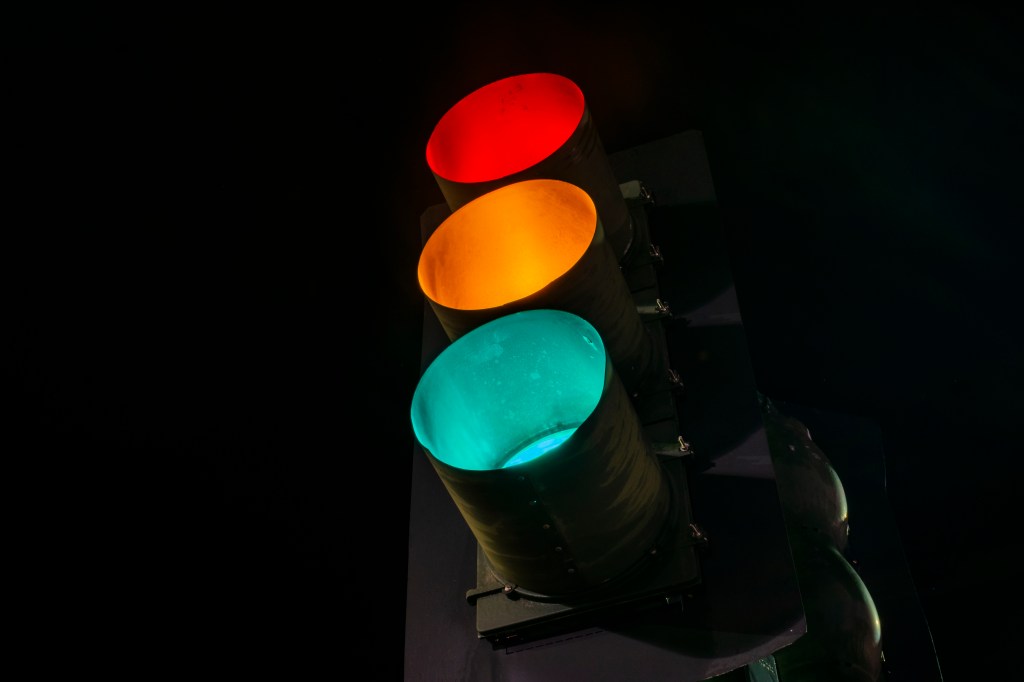
Many people are used to the automatic settings given to them by their phones and digital cameras, however in order to get the most out of your equipment you must be able to understand how to expose an image manually by juggling three factors – Aperture, Shutter Speed, and ISO.
- Aperture
Aperture is what basically controls the iris of the camera. It’s a ring inside the lens that opens and closes according to F-stop measurements of light. Adjusting aperture does two things, it controls how much light you light go into the sensor of your camera, and it controls how narrow your depth of field is.
2. Shutter Speed
Shudder Speed is how fast the shutter in front of your camera’s sensor opens and closes to allow light in. It’s another way to control the exposure of your image, and it also determines how much blur there is in movement. The faster you set the Shutter Speed, the more “frozen” your image will become.
3. ISO
ISO is the last pillar of exposure in photography. It determines the sensitivity of the sensor in your camera. ISO is required to be able to capture moments where you’re in low lighting conditions and need a proper exposure, and/or want to get a narrow depth of field, and/or when you want to capture very fast movement with a very fast Shutter Speed. The higher you crank up ISO the more digital noise or “grain” you’ll introduce to your image, however you’ll get a brighter image than what may be possible with Aperture and Shutter Speed alone.
These three elements are what you’re required to be able to juggle when trying to get a proper image, it’s important that every photographer knows the basics on how to get a manual exposure down correctly. Once you learn how to master these settings the possibilities in photography open up significantly, so get out there and start shooting!
 Crispy Frames Photography Blog